
Construction companies constantly seek practical ways to improve efficiency while controlling operational expenses. Labour costs often represent one of the largest portions of a project budget, making productivity a critical factor in successful project delivery. Aluminium scaffolding provides an effective solution by allowing workers to assemble, relocate, and dismantle access systems quickly without compromising safety.
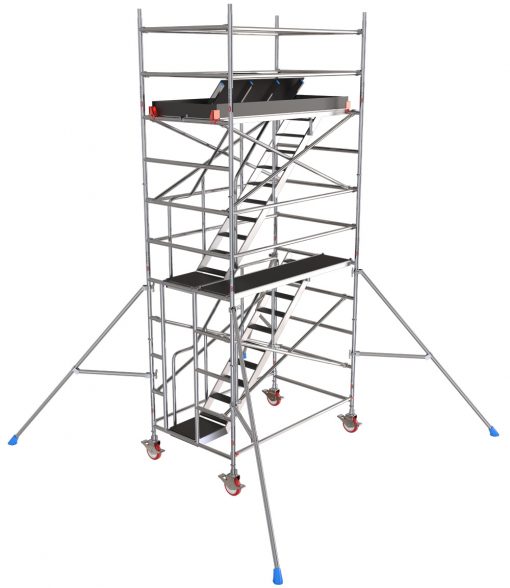
Moreover, its lightweight structure reduces manual effort and supports faster workflow across different construction activities. When contractors optimize access equipment, they improve workforce performance, shorten project timelines, and create measurable cost savings throughout every stage of construction.
Why Labour Costs Continue to Rise in Construction?
Labour expenses increase for several reasons, including skilled worker shortages, demanding schedules, strict safety requirements, and project complexity. Consequently, contractors must maximize every working hour without sacrificing quality.
Efficient equipment plays a major role in controlling these expenses. When workers spend less time assembling access platforms or moving heavy materials, they complete more productive tasks during each shift. Therefore, selecting suitable scaffolding contributes directly to better labour utilization.
Unlike traditional access solutions that require lengthy installation, aluminium scaffolding helps crews begin work sooner while maintaining safe working conditions.
How Aluminium Scaffolding Improves Workforce Efficiency?
Productivity depends on how quickly workers reach their work areas and complete assigned tasks. Aluminium scaffolding supports this objective by simplifying movement, reducing setup time, and improving accessibility.
Lightweight Construction Saves Valuable Time
One of the biggest advantages of aluminium lies in its reduced weight.
Workers benefit because they can:
Carry components more easily
Assemble structures faster
Relocate towers without excessive effort
Reduce dependence on lifting equipment
Complete setup using fewer personnel
Consequently, teams spend more time performing productive work instead of transporting equipment.
Simple Assembly Reduces Labour Requirements
Construction schedules become more efficient when access equipment assembles quickly.
Modern aluminium scaffolding systems feature modular components that connect securely with minimal complexity.
Advantages include:
Shorter installation periods
Faster dismantling
Reduced labour allocation
Improved scheduling flexibility
Lower project delays
Moreover, streamlined assembly minimizes interruptions between different stages of construction.
Faster Project Completion Reduces Overall Labour Expenses
Construction budgets depend heavily on project duration. Every additional day increases labour costs, equipment expenses, and operational overhead.
Aluminium scaffolding helps contractors shorten project timelines because workers gain rapid access to elevated work areas.
Reduced Downtime Between Tasks
Construction teams frequently move between rooms, building sections, or exterior work zones.
Instead of rebuilding fixed scaffolding repeatedly, workers simply reposition mobile units where appropriate and continue working.
As a result, projects maintain consistent momentum throughout each phase.
Improved Coordination Between Trades
Construction projects involve multiple specialists, including electricians, painters, plumbers, HVAC technicians, and maintenance personnel.
Efficient scaffolding allows these teams to work according to schedule without unnecessary waiting periods.
Consequently, contractors reduce idle labour hours while improving coordination across the entire workforce.
Less Physical Strain Leads to Higher Productivity
Heavy equipment slows workers and increases fatigue throughout the working day.
Aluminium scaffolding significantly reduces manual handling effort because individual components remain lightweight without sacrificing structural strength.
Reduced Worker Fatigue
Lower physical strain allows employees to maintain consistent productivity over longer periods.
Benefits include:
Better daily performance
Faster movement between tasks
Reduced lifting effort
Improved morale
More efficient material handling
Furthermore, workers remain better prepared for demanding construction activities requiring sustained concentration.
Lower Risk of Handling Injuries
Manual handling injuries frequently result in lost working hours.
Lightweight scaffolding helps reduce risks associated with repetitive lifting because workers manage components more comfortably.
Therefore, companies experience fewer disruptions caused by avoidable handling-related incidents.
Improved Mobility Supports Continuous Workflow
Construction environments change rapidly throughout every project.
Workers often require elevated access in several locations during a single shift. Aluminium scaffolding supports these changing requirements through excellent mobility.
Quick Relocation Across Work Areas
Lockable caster wheels allow crews to reposition scaffolding efficiently.
This mobility supports:
Interior finishing work
Exterior maintenance
Mechanical installation
Electrical projects
Painting activities
Consequently, teams avoid unnecessary dismantling while maintaining productive workflows.
Flexible Access for Multiple Applications
The same scaffolding system often serves different departments throughout a project.
Examples include:
Ceiling installation
Window fitting
Façade maintenance
Pipe installation
Lighting work
Inspection activities
Moreover, versatile equipment reduces the need for multiple access solutions, lowering labour planning complexity.
Safer Working Conditions Reduce Costly Interruptions
Safety and productivity work together. Workplace incidents often delay projects, increase administrative requirements, and reduce workforce availability.
Aluminium scaffolding supports safer elevated work through stable platform design and secure structural components.
Stable Working Platforms
Properly assembled scaffolding provides dependable support for workers carrying tools and construction materials.
Important safety features typically include:
Guardrails
Toe boards
Secure braces
Locking wheels
Anti-slip platforms
These features improve confidence while reducing unnecessary movement during elevated tasks.
Reliable Access Improves Work Quality
Workers perform detailed construction activities more effectively when they stand on stable platforms rather than ladders.
As a result, installation quality often improves while reducing the likelihood of corrective work that increases labour expenses.
Lower Equipment Handling Costs
Construction companies regularly transport equipment between projects.
Lightweight aluminium scaffolding simplifies logistics because crews require less effort to load, unload, and organize components.
Additional advantages include:
Faster vehicle loading
Reduced transportation time
Easier storage management
Improved equipment organization
Lower physical demands during relocation
Consequently, contractors allocate labour more efficiently throughout equipment preparation and project mobilization.
Supports Better Planning and Resource Allocation
Effective project planning depends on equipment that adapts quickly to changing priorities.
Aluminium scaffolding allows supervisors to assign workers efficiently because setup requires relatively little preparation.
Rather than dedicating several employees solely to access equipment installation, managers can distribute labour across productive construction activities.
Furthermore, flexible scaffolding helps teams respond rapidly to unexpected schedule adjustments without creating major delays.
Suitable for Projects of Every Size
Whether contractors manage residential construction, commercial developments, industrial facilities, or renovation work, aluminium scaffolding adapts to different operational requirements.
Small projects benefit from rapid assembly, while larger developments appreciate equipment that supports continuous movement between work zones.
Because one system serves numerous applications, contractors improve equipment utilization while reducing unnecessary labour commitments.
Long-Term Financial Benefits Beyond Labour Savings
Although labour reduction remains one of the primary advantages, aluminium scaffolding also creates long-term financial value through durability, lower maintenance requirements, and repeated use across multiple projects.
Unlike heavier materials that may require additional handling equipment, aluminium remains practical for everyday construction operations. Consequently, contractors reduce operational expenses while extending equipment service life.
Moreover, the combination of portability and durability allows companies to maximize equipment utilization throughout the year.
Lower Maintenance Requirements
Construction equipment performs best when maintenance remains simple and predictable.
Aluminium offers several maintenance advantages:
Natural resistance to corrosion
Minimal surface treatment requirements
Easy cleaning after projects
Reduced repair frequency
Long service life
These characteristics help maintenance teams spend less time servicing equipment and more time supporting active projects.
Excellent Return on Investment
Construction companies evaluate equipment based on lifetime value rather than initial purchase cost alone.
Aluminium scaffolding contributes to stronger returns because it supports:
Faster project completion
Lower labour expenditure
Reduced transportation effort
Long operational lifespan
Reliable performance across multiple job sites
Consequently, businesses improve profitability while maintaining high construction standards.
Supports Better Project Scheduling
Project schedules often determine overall profitability. Delays affect subcontractors, material deliveries, and client expectations.
Aluminium scaffolding helps maintain schedules because workers spend less time preparing access equipment before beginning productive tasks.
Fewer Delays During Daily Operations
Efficient access systems allow crews to respond quickly when work priorities change.
For example, teams can relocate scaffolding between different building sections without lengthy interruptions. Therefore, supervisors maintain workflow while minimizing idle labour.
Improved Resource Coordination
Construction managers frequently balance several trades simultaneously.
Reliable scaffolding supports better coordination by allowing electricians, painters, mechanical contractors, and maintenance personnel to access elevated work areas according to schedule.
As a result, projects experience smoother transitions between construction phases.
Versatility Across Different Construction Projects
Construction companies rarely complete identical projects throughout the year.
Fortunately, aluminium scaffolding adapts to many working environments.
Residential Projects
Housing developments benefit from mobile access during:
Roof installation
Exterior painting
Window fitting
Interior finishing
Ceiling work
Maintenance activities
Lightweight construction allows workers to reposition scaffolding efficiently around residential properties.
Commercial Buildings
Office buildings, shopping centres, educational facilities, and healthcare projects require safe elevated access for many trades.
Aluminium scaffolding supports:
Lighting installation
HVAC work
Electrical services
Interior decoration
Building maintenance
Its flexibility helps contractors complete demanding schedules more efficiently.
Industrial Facilities
Factories and warehouses require dependable equipment for maintenance and equipment installation.
Typical industrial applications include:
Pipe installation
Machinery servicing
Structural inspections
Mechanical maintenance
Warehouse upgrades
Furthermore, durable aluminium construction performs well in demanding industrial environments.
Environmental Advantages That Support Efficient Operations
Construction companies increasingly value equipment that combines productivity with responsible material selection.
Aluminium offers practical environmental benefits without reducing structural performance.
Highly Recyclable Material
Aluminium remains one of the most recyclable construction materials available.
Environmental advantages include:
Reduced material waste
Long product lifespan
High recycling potential
Continued structural quality
Efficient resource utilization
Moreover, recyclable materials contribute to sustainable construction objectives while maintaining dependable performance.
Reduced Transportation Impact
Because aluminium weighs less than many alternative materials, transporting scaffolding generally requires less effort.
Lower transportation demands help reduce fuel consumption and simplify logistics between construction sites.
Consequently, companies improve operational efficiency while managing transportation resources more effectively.
Selecting the Right Aluminium Scaffolding
Choosing suitable scaffolding requires careful evaluation of project requirements.
Several important factors influence purchasing decisions.
Working Height
Evaluate the maximum platform height required for regular construction activities.
Selecting appropriate height capacity improves both productivity and worker safety.
Load Capacity
Workers frequently carry tools, equipment, and building materials onto elevated platforms.
Verify:
Platform capacity
Worker limits
Material weight
Equipment requirements
Proper load selection supports safe daily operations.
Wheel Quality
Reliable caster wheels improve mobility.
Look for wheels offering:
Smooth movement
Secure locking
Durable construction
Stable positioning
Long operational performance
High-quality wheel systems contribute directly to labour efficiency.
Ease of Assembly
Simple assembly reduces installation time significantly.
Choose systems featuring:
Modular construction
Secure locking mechanisms
Clearly designed braces
Efficient dismantling
Straightforward component organization
Construction companies also compare products from an aluminium mobile scaffolding supplier in Finland to ensure equipment meets local project requirements and workplace safety expectations.
Best Practices for Maximizing Labour Savings
Even the highest-quality scaffolding performs best when teams follow efficient operating procedures.
Contractors can improve productivity by:
Inspecting equipment before each shift
Training workers on correct assembly
Organizing components before installation
Locking wheels before elevated work
Performing scheduled maintenance
Storing equipment correctly
Planning scaffold locations before work begins
Furthermore, consistent operating procedures reduce unnecessary delays while improving workforce coordination.
Common Mistakes That Increase Labour Costs
Certain practices reduce the efficiency benefits of aluminium scaffolding.
Avoid these common issues:
Choosing incorrect scaffold height
Ignoring maintenance inspections
Overloading working platforms
Poor project planning
Frequent unnecessary dismantling
Improper storage methods
Inadequate worker training
Preventing these mistakes allows construction teams to maintain productivity throughout each project phase.
Conclusion
Aluminium scaffolding provides a practical solution for reducing labour costs across residential, commercial, and industrial construction projects. Its lightweight design, rapid assembly, dependable mobility, and durable construction help workers complete tasks more efficiently while supporting safe working conditions. Moreover, lower maintenance requirements, flexible applications, and long-term reliability contribute to better project performance and improved cost control. When contractors combine suitable equipment with effective planning and safe operating practices, they create more productive worksites and achieve stronger financial results over the life of every project.
FAQs
1. Why does aluminium scaffolding reduce labour costs?
Aluminium scaffolding shortens assembly and dismantling time while making transportation easier. Workers spend more time completing productive construction activities instead of handling heavy equipment. Consequently, projects require fewer labour hours, helping contractors manage overall operating expenses more effectively.
2. Is aluminium scaffolding suitable for large construction projects?
Yes. Aluminium scaffolding performs well on projects of every size. Its modular design allows contractors to adapt the system to different work areas, while lightweight components simplify relocation across large construction sites without interrupting workflow.
3. Does lightweight scaffolding compromise strength?
No. Quality aluminium scaffolding combines low weight with excellent structural strength. Properly manufactured systems safely support construction activities when workers follow load limits, assembly instructions, and workplace safety procedures during every stage of use.
4. How does faster assembly improve productivity?
Quick assembly allows workers to begin elevated tasks sooner. Instead of spending valuable labour hours preparing access equipment, crews focus on installation, maintenance, or finishing work, improving project efficiency and reducing unnecessary downtime.
5. Can aluminium scaffolding reduce workplace injuries?
Lightweight components reduce manual lifting effort, helping lower handling-related strain. Additionally, stable working platforms, secure guardrails, and locking wheels support safer elevated work when equipment is correctly assembled and inspected before use.
6. What maintenance does aluminium scaffolding require?
Routine maintenance includes cleaning, checking locking mechanisms, inspecting wheels, examining braces, and replacing worn components when necessary. Regular inspections help maintain safety while extending the equipment's operational lifespan across multiple construction projects.
7. Which industries benefit from aluminium scaffolding?
Construction companies, industrial facilities, maintenance contractors, educational institutions, healthcare buildings, warehouses, airports, and commercial property managers all benefit from aluminium scaffolding because it supports numerous elevated maintenance and installation activities.
8. Does aluminium scaffolding help shorten project schedules?
Yes. Efficient setup, rapid relocation, and reduced dismantling time allow workers to complete tasks more quickly. Consequently, contractors maintain project schedules more effectively while reducing labour hours associated with access equipment preparation.
9. What should contractors consider before purchasing scaffolding?
Important considerations include working height, platform size, load capacity, wheel quality, ease of assembly, durability, maintenance requirements, and compatibility with planned construction activities. Selecting appropriate equipment improves efficiency and supports long-term operational value.
10. Why is aluminium a popular material for mobile scaffolding?
Aluminium combines durability, corrosion resistance, lightweight construction, and long service life. These characteristics improve worker productivity, simplify transportation, reduce maintenance demands, and support efficient construction operations across a wide variety of project environments.